
Published by: FunCarBox
Author: Amrit Singh
Last updated: January 2026
Petrol vs Diesel SUV Ownership in India (2026)
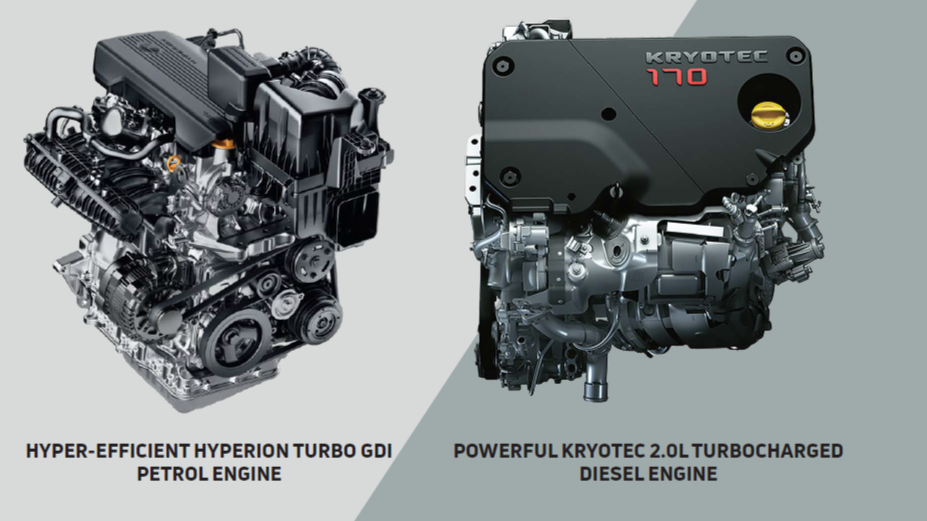
With the advent of new petrol engines being in the Indian market, a new trend is getting shaped. As we have seen the new launches by Giants like Tata motors and Mahindra are creating a buzz in the market. But more and more engines and models of their vehicles, the more is the confussion in the minds of Indian Consumers. Here we are trying to make things little easier for you to understand the needs of an indiavidual when it comes to choosing between Petrol and Diesel vehicle.
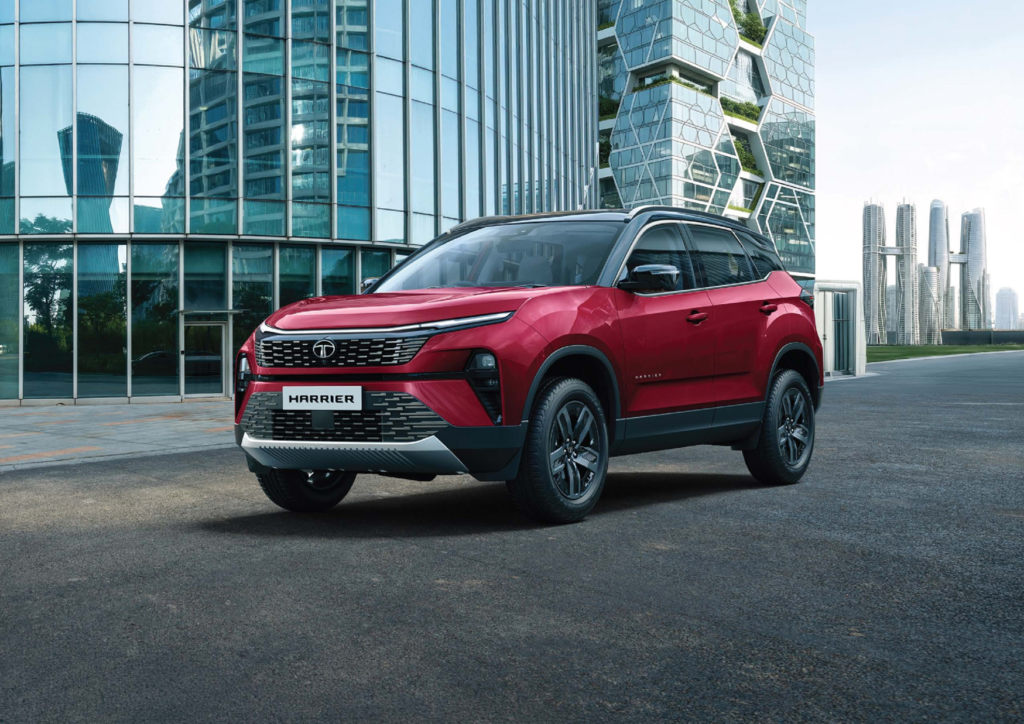
Why Petrol vs Diesel Still Confuses Indian Buyers
Despite electric vehicles gaining traction, the petrol vs diesel debate remains highly relevant in India—especially for SUV buyers.
Rising fuel prices, stricter emission norms, diesel-specific maintenance issues, and changing resale trends have made this decision less obvious than it used to be.
At FunCarBox, we don’t take sides. We break down:
- Real ownership cost
- Usage-based suitability
- Long-term practicality
This guide is designed to help you choose the right fuel type for your usage, not your emotions.
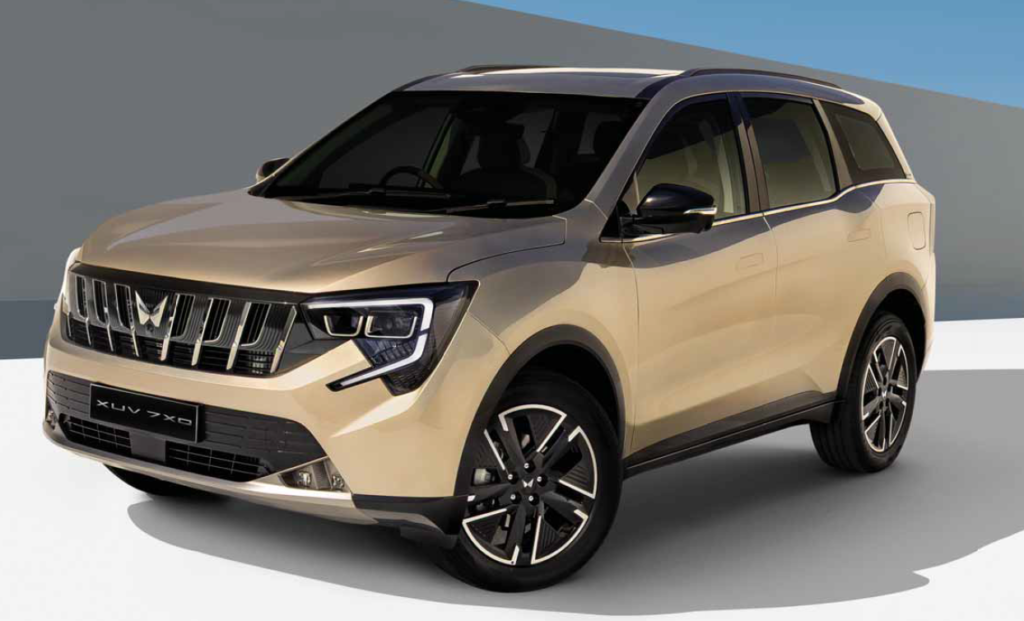
How SUVs Changed the Petrol vs Diesel Equation
A decade ago:
- Diesel SUVs were default
- Petrol SUVs were rare
Today:
- Turbo-petrol engines are more powerful
- Petrol SUVs offer comparable performance
- City usage dominates for most buyers
SUVs are heavier and larger, which traditionally favored diesel. But modern petrol engines have narrowed that gap significantly.
Upfront Cost: Petrol vs Diesel SUV Pricing
Diesel SUVs still cost more upfront due to:
- Higher engine manufacturing cost
- Additional emission control hardware
Typical Price Difference
| Fuel Type | Price Difference |
|---|---|
| Petrol SUV | Base price |
| Diesel SUV | ₹1–1.8 lakh higher |
FunCarBox Insight:
If budget is tight, petrol SUVs are easier to enter without stretching finances.
Fuel Cost & Mileage Reality in India
Average Fuel Prices (India, 2026 Approx.)
| Fuel | Average Price |
|---|---|
| Petrol | ₹100–₹110/litre |
| Diesel | ₹90–₹100/litre |
Real-World Mileage Comparison
| SUV Type | City Mileage | Highway Mileage |
|---|---|---|
| Petrol SUV | 10–13 km/l | 14–16 km/l |
| Diesel SUV | 14–17 km/l | 18–21 km/l |
Diesel still wins on efficiency, especially on highways.
Annual Running Cost Comparison
Let’s assume 15,000 km/year.
| Fuel Type | Approx Annual Fuel Cost |
|---|---|
| Petrol SUV | ₹1.25–1.45 lakh |
| Diesel SUV | ₹0.85–1.05 lakh |
Break-Even Logic
- Diesel recovers higher purchase cost only if you drive a lot
- Below ~12,000 km/year → petrol usually makes more sense
Maintenance & Service Costs (The Hidden Factor)
Petrol SUV Maintenance
- Simpler engines
- Lower service costs
- Fewer emission-related issues
Diesel SUV Maintenance
- More complex systems
- DPF (Diesel Particulate Filter) concerns
- Higher long-term maintenance
| Aspect | Petrol | Diesel |
|---|---|---|
| Service Cost | Lower | Higher |
| DPF Issues | None | Common in city use |
| Long-Term Reliability | High | Usage-dependent |
FunCarBox Reality Check:
Diesel SUVs used mainly in city traffic often suffer from DPF clogging, increasing ownership stress.
City vs Highway Usage: This Decides Everything
Best for City Driving
✔ Petrol SUVs
✔ Smooth, quiet
✔ No DPF worries
✔ Better cold-start behavior
Best for Highway Driving
✔ Diesel SUVs
✔ Strong torque
✔ Better fuel efficiency
✔ Effortless cruising
If your SUV rarely sees highways, diesel may actually become a liability.
Driving Experience & Refinement
| Factor | Petrol SUV | Diesel SUV |
|---|---|---|
| Noise & Vibration | Low | Higher |
| Acceleration | Smooth | Strong low-end |
| Stop-Go Traffic | Better | Average |
| Highway Overtakes | Good | Excellent |
Petrol SUVs feel more relaxed in daily driving, while diesel SUVs feel stronger under load.
Resale Value: Does Diesel Still Win?
Historically, diesel SUVs had superior resale value.
Today:
- The gap is shrinking
- Petrol SUVs are easier to sell in cities
- Diesel resale depends on maintenance history
| Fuel Type | Resale Trend |
|---|---|
| Petrol | Stable |
| Diesel | Slightly higher (if well-maintained) |
Ownership Duration Matters
Short-Term Ownership (3–5 years)
✔ Petrol SUVs
✔ Lower initial cost
✔ Easier resale in cities
Long-Term Ownership (6–10 years)
✔ Diesel SUVs (if usage is highway-heavy)
Environmental & Regulatory Considerations
- Diesel emission norms are getting stricter
- Future diesel restrictions are more likely
- Petrol vehicles face fewer urban restrictions
This makes petrol SUVs future-proof for city buyers.
Total Cost of Ownership (5-Year View)
| Cost Component | Petrol SUV | Diesel SUV |
|---|---|---|
| Purchase Price | Lower | Higher |
| Fuel Cost | Higher | Lower |
| Maintenance | Lower | Higher |
| Resale | Moderate | Slightly higher |
| Overall | Balanced | Usage-dependent |
There is no universal winner—only a usage-based decision.
Who Should Buy a Petrol SUV in India
Choose petrol if:
- Annual running < 12,000 km
- Mostly city driving
- You want refinement and ease
- You plan to sell in 4–5 years
Who Should Buy a Diesel SUV in India
Choose diesel if:
- Annual running > 15,000 km
- Frequent highway use
- You keep cars long-term
- You want maximum efficiency
You may find some of our other articles interesting:-
Disclosure
This article may display contextual advertisements through Google AdSense.
Advertisements do not influence editorial conclusions or recommendations.
FunCarBox Final Verdict
The petrol vs diesel decision is no longer about “which is better.”
It’s about which suits your life.
- City-focused buyers → Petrol SUV
- Highway-heavy users → Diesel SUV
Make the decision based on usage, not tradition.
At FunCarBox, we strongly advise buyers to calculate ownership cost realistically rather than following outdated assumptions.
Author Bio
This article is written by Amrit Singh, who covers Indian car ownership economics, fuel-type comparisons, and buyer-focused automotive insights at FunCarBox.
Data Responsibility Note
All cost estimates are indicative and based on prevailing fuel prices, manufacturer data, and common ownership patterns. Actual costs may vary by location, driving style, and vehicle model.
This article is published by FunCarBox, an independent Indian automotive blog focused on real-world ownership analysis, cost breakdowns, and buyer-first guidance.
The comparisons below are based on current Indian market conditions, ownership patterns, and manufacturer-published data.
6 thoughts on “Petrol vs Diesel SUV Ownership in India (2026): Which One Actually Makes Sense?”