

By FunCarBox.com | Updated: November 2025
Tata Harrier EV vs Mahindra XUV e9
India’s electric SUV market just got hotter with two powerful contenders — the Tata Harrier EV and the Mahindra XUV e9. Both priced around ₹30 lakh (ex-showroom), these homegrown EVs promise futuristic design, cutting-edge tech, and over 600 km of claimed range on a single charge. But the question is — which one truly deserves your garage space? FunCarBox digs deep to find out.
⚡ Design & Road Presence
Tata Harrier EV vs Mahindra XUV e9
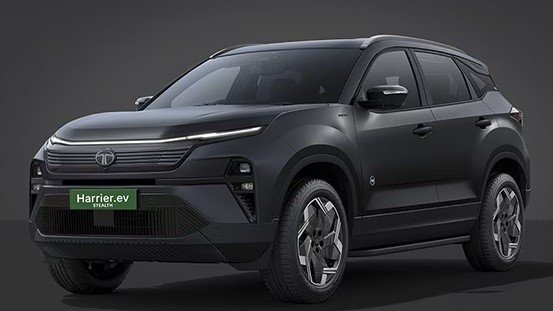
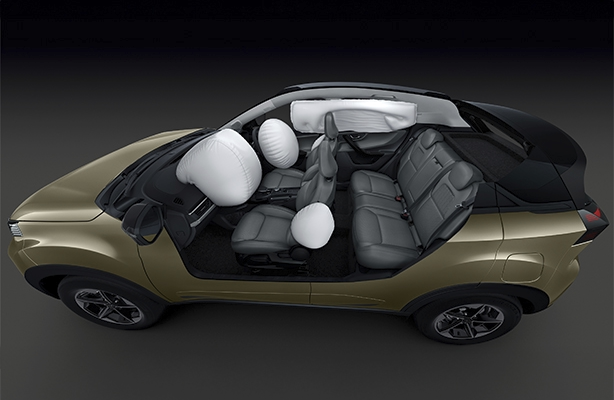
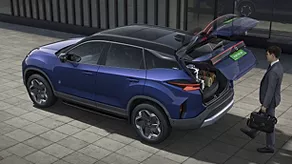
At first glance, the Tata Harrier EV closely resembles its ICE-powered sibling — muscular, proportionate, and instantly recognizable. But don’t be fooled by appearances. This is not just a converted Harrier; it’s a re-engineered SUV built on Tata’s advanced Gen 2 EV architecture. The electric Harrier features a brand-new floor pan, revised suspension setup, and an all-wheel-drive (AWD) layout with dual motors.
Image Credit: Tata Harrier EV
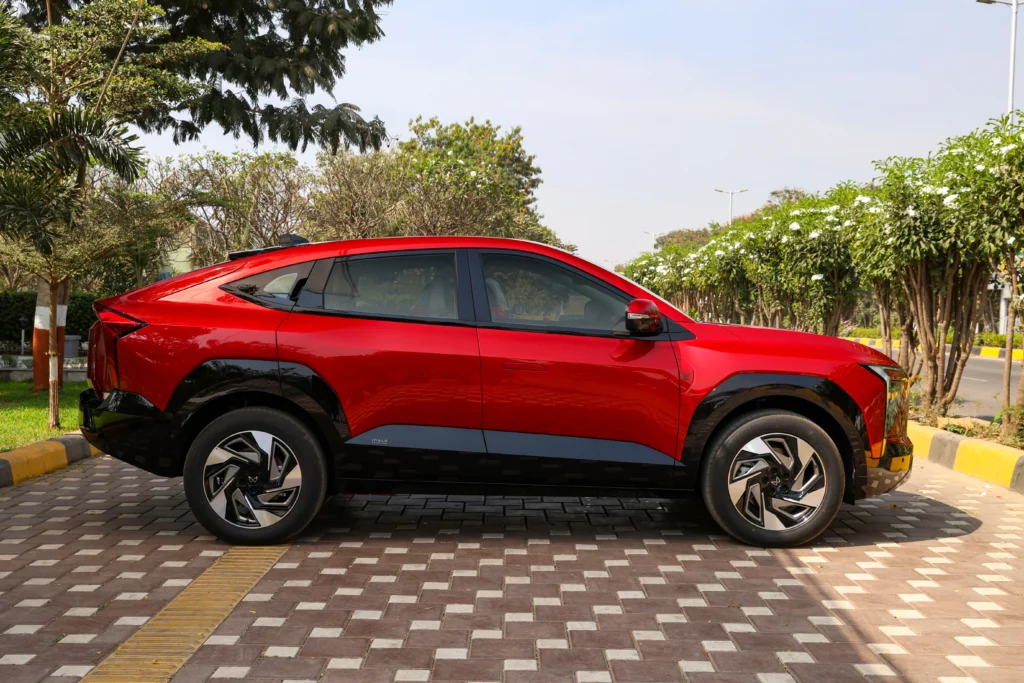
In contrast, the Mahindra XUV e9 (part of Mahindra’s Born Electric lineup) takes a bold and futuristic approach. Its radical coupe-like silhouette, dramatic LED DRLs, and flowing design elements scream next-generation. On the road, it turns more heads than almost any other EV in this price bracket.
💡 FunCarBox Verdict (Design):
- Harrier EV – Classic and robust
- XUV e9 – Bold and futuristic
👉 Winner: Mahindra XUV e9 for its sheer road presence
🏠 Interior Experience & Comfort
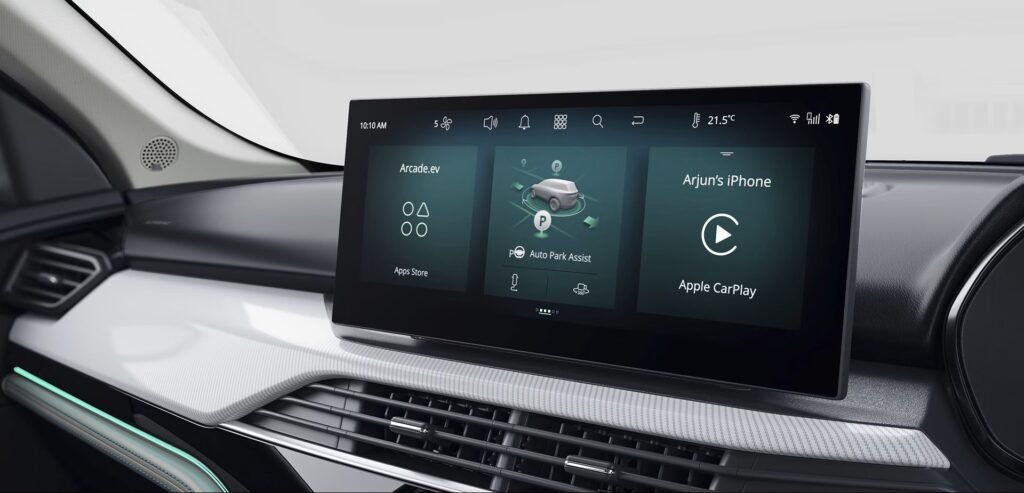
Step inside the Tata Harrier EV, and you’ll instantly feel the cabin’s width. The horizontally laid-out dashboard adds to the sense of space, while the 14.5-inch Samsung QLED infotainment screen is one of the sharpest displays we’ve seen in an Indian car. The 360° camera quality is excellent, and the digital rearview mirror (inspired by Land Rover) adds a premium touch.
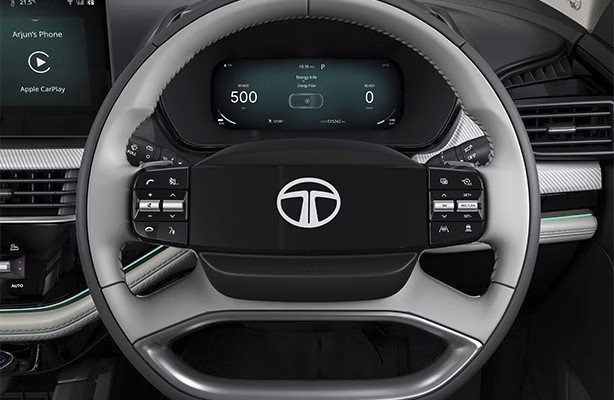
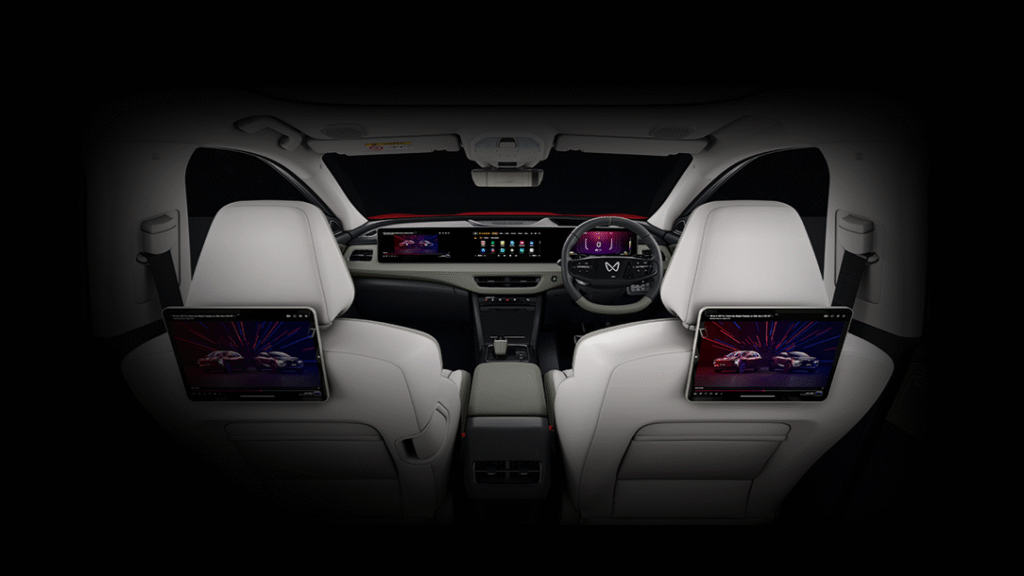
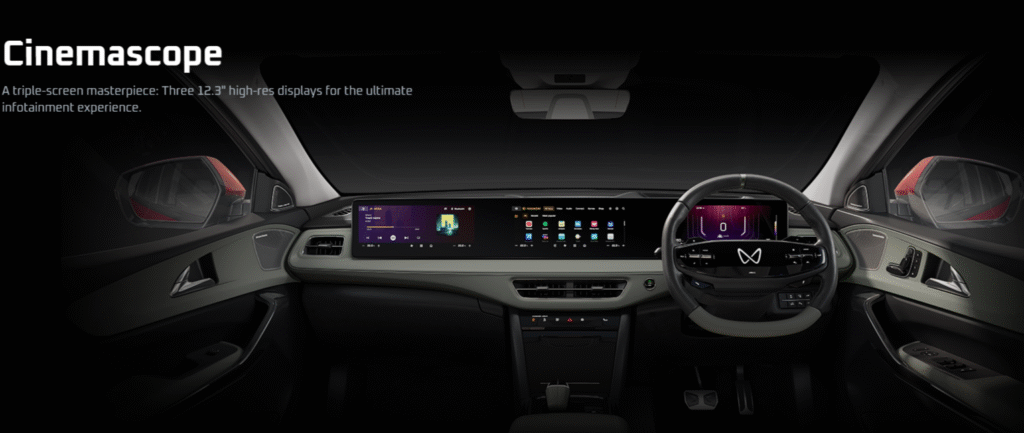
Image Credit: Mahindra XUV 9E
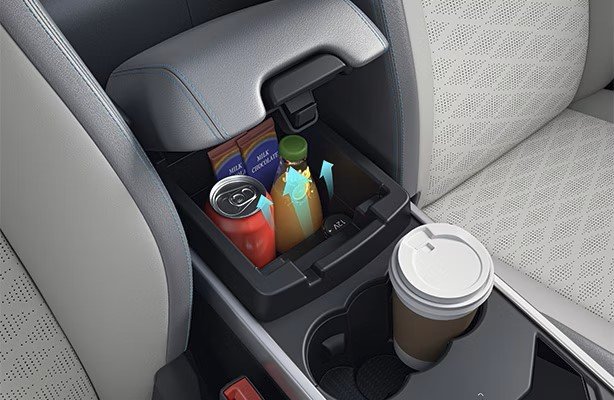
However, Tata hasn’t fully addressed some ergonomic flaws. The wireless charging pad remains awkwardly placed, and tall drivers might still find the center console intrusive. The front seats could use a bit more thigh support, though rear passengers enjoy a flat floor and excellent knee room.
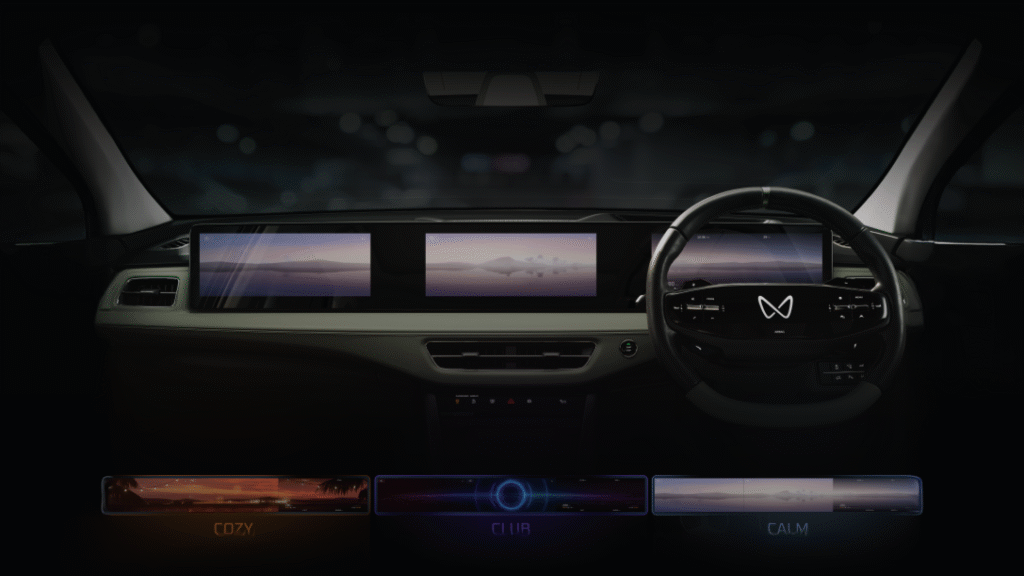
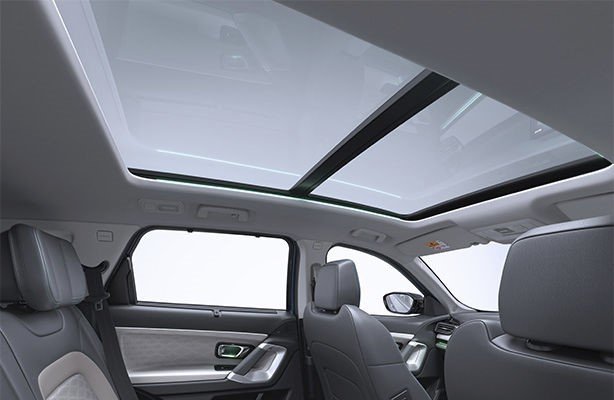
The Mahindra XUV e9 interior feels airy and premium, thanks to bright upholstery and a triple-screen dashboard setup. While it looks high-tech, the infotainment interface is slightly confusing, with too many menus for basic functions. Still, the seats are extremely supportive, and the 90° wide-opening doors make entry effortless. The panoramic sunroof, ambient lighting patterns, and reclining rear seats elevate the experience.
💡 FunCarBox Verdict (Cabin):
- Harrier EV – Practical tech & great visibility
- XUV e9 – Premium feel with futuristic layout
👉 Winner: Tie — depends on whether you prefer practicality or innovation
📦 Space & Boot Capacity
Despite being an AWD model, the Harrier EV manages decent boot space (502L), though the raised floor slightly limits luggage depth. In contrast, the XUV e9 offers a larger flat boot floor and an additional 150L front trunk (frunk) — perfect for charging cables or smaller bags.
💡 Winner: Mahindra XUV e9 for offering more usable storage.
⚙️ Performance & Driving Dynamics
Under the hood (or floor, rather), the Tata Harrier EV features a dual-motor setup producing 313 hp and 504 Nm of torque. Despite weighing 2.3 tons, it rockets from 0–100 km/h in just 6.7 seconds. The Harrier feels sporty with sharp steering and balanced body control, though there’s minor floatiness at highway speeds.
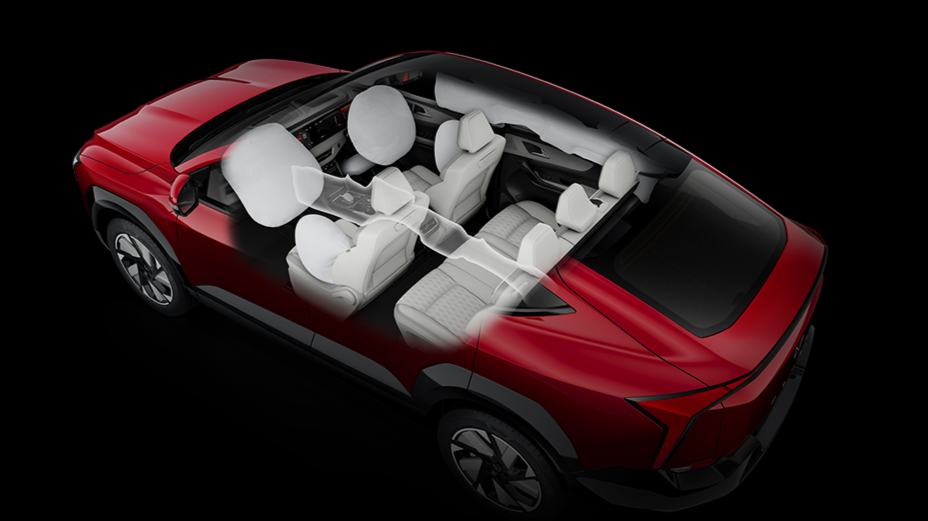
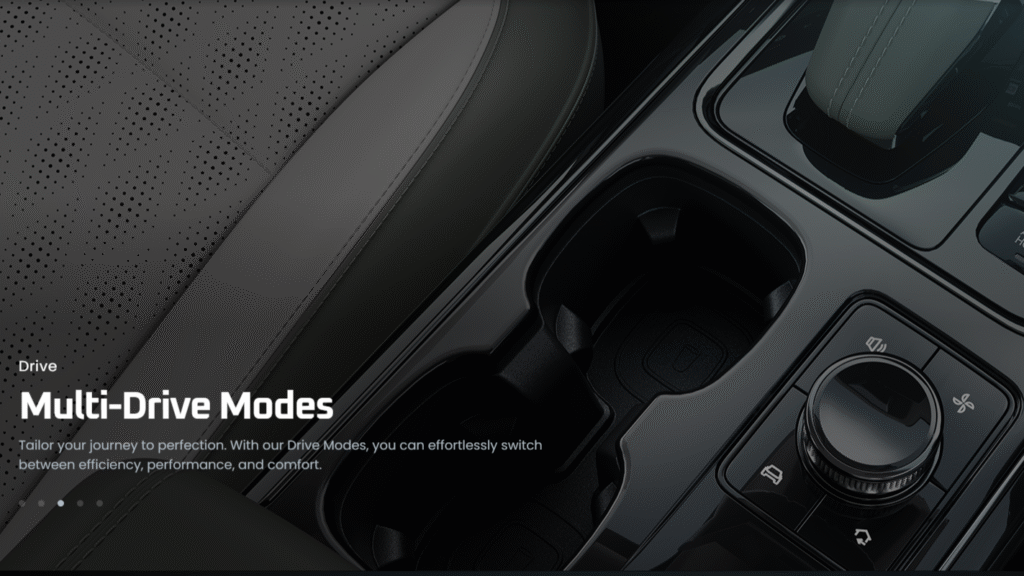
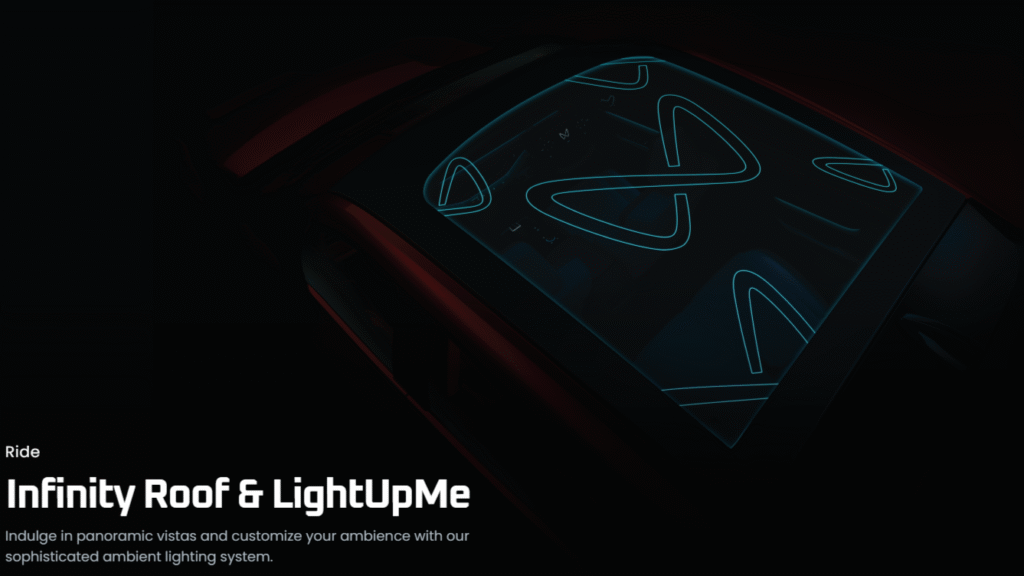
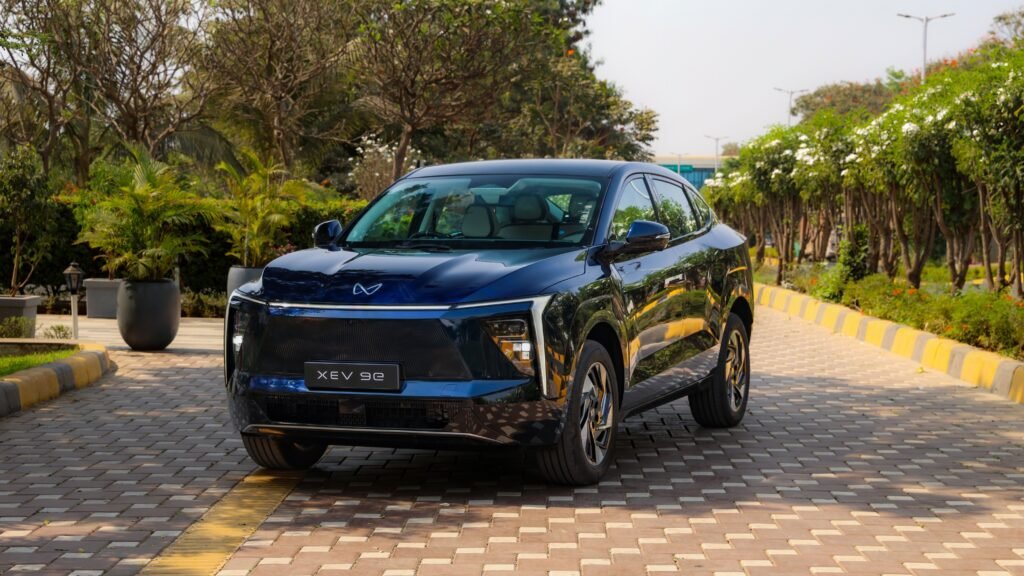
On the other hand, the Mahindra XUV e9 uses a 79 kWh battery pack with a single rear-mounted motor (RWD), producing slightly less power but impressive refinement. It does 0–100 km/h in 7.4 seconds, but feels lighter, smoother, and easier to maneuver, thanks to precise variable-ratio steering and a tight 10m turning circle.
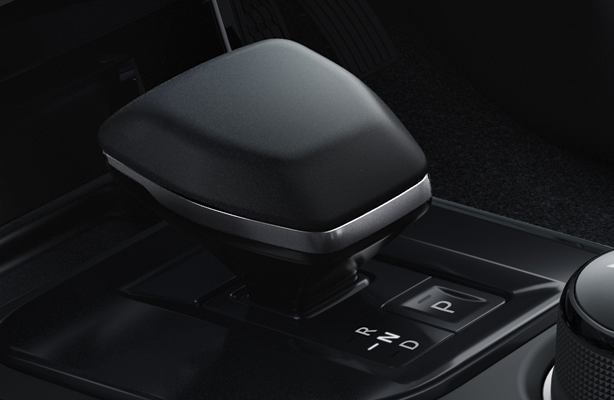
While both EVs handle well, the Harrier’s AWD setup gives it an edge in traction and confidence on twisty roads. However, the XUV’s adaptive suspension delivers superior comfort and body control in daily driving.
💡 FunCarBox Verdict (Performance):
- Harrier EV – Quicker, sportier, AWD power
- XUV e9 – Smoother, lighter, adaptive suspension
👉 Winner: Harrier EV for driving thrill
🔋 Range, Charging & Efficiency
In real-world testing, neither EV matches the claimed 600+ km range. The Harrier EV proves more efficient in city conditions, while the XUV e9 performs better on highways.
Charging speeds tell a different story — Tata’s 377V architecture supports up to 120 kW DC fast charging, whereas Mahindra’s 409V platform allows 180 kW charging. That means even with a larger battery, the XUV e9 charges faster when connected to a high-speed charger.
💡 FunCarBox Verdict (Charging & Range):
👉 Winner: Mahindra XUV e9 for faster charging and better highway efficiency
💰 Price & Value for Money
The Tata Harrier EV is expected to start below the Mahindra XUV e9’s ₹30 lakh mark, making it the more affordable AWD EV SUV in India. Tata offers a balanced mix of tech, performance, and value — a strong choice for those stepping into the premium EV space.
However, the Mahindra XUV e9 justifies its higher price with world-class design, smoother driving experience, and futuristic tech that feels ahead of its time.
💡 FunCarBox Verdict (Value):
👉 Winner: Tata Harrier EV — for its aggressive pricing and all-round appeal
Read More on FCB: Top 5 EVs of India
🏁 Final Thoughts: Which Electric SUV Wins?
Both these SUVs represent India’s EV revolution beautifully. The Tata Harrier EV is the sensible all-rounder — fast, capable, and feature-loaded at a great price. Meanwhile, the Mahindra XUV e9 is the emotional pick — futuristic, premium, and truly global in design.
Read More on FCB: Tata Harrier EV
If you want performance and value, pick the Harrier EV.
If you crave tech and presence, the XUV e9 will leave you spellbound.
Either way, Indian EV buyers are the real winners. ⚡
2 thoughts on “Tata Harrier EV vs Mahindra XUV e9: The Ultimate Battle of Homegrown Electric SUVs”